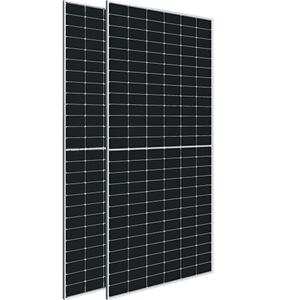
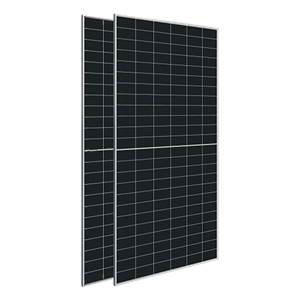
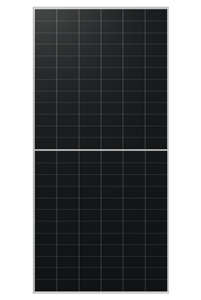
LONGi Hi-MO X7 655W / 656W High

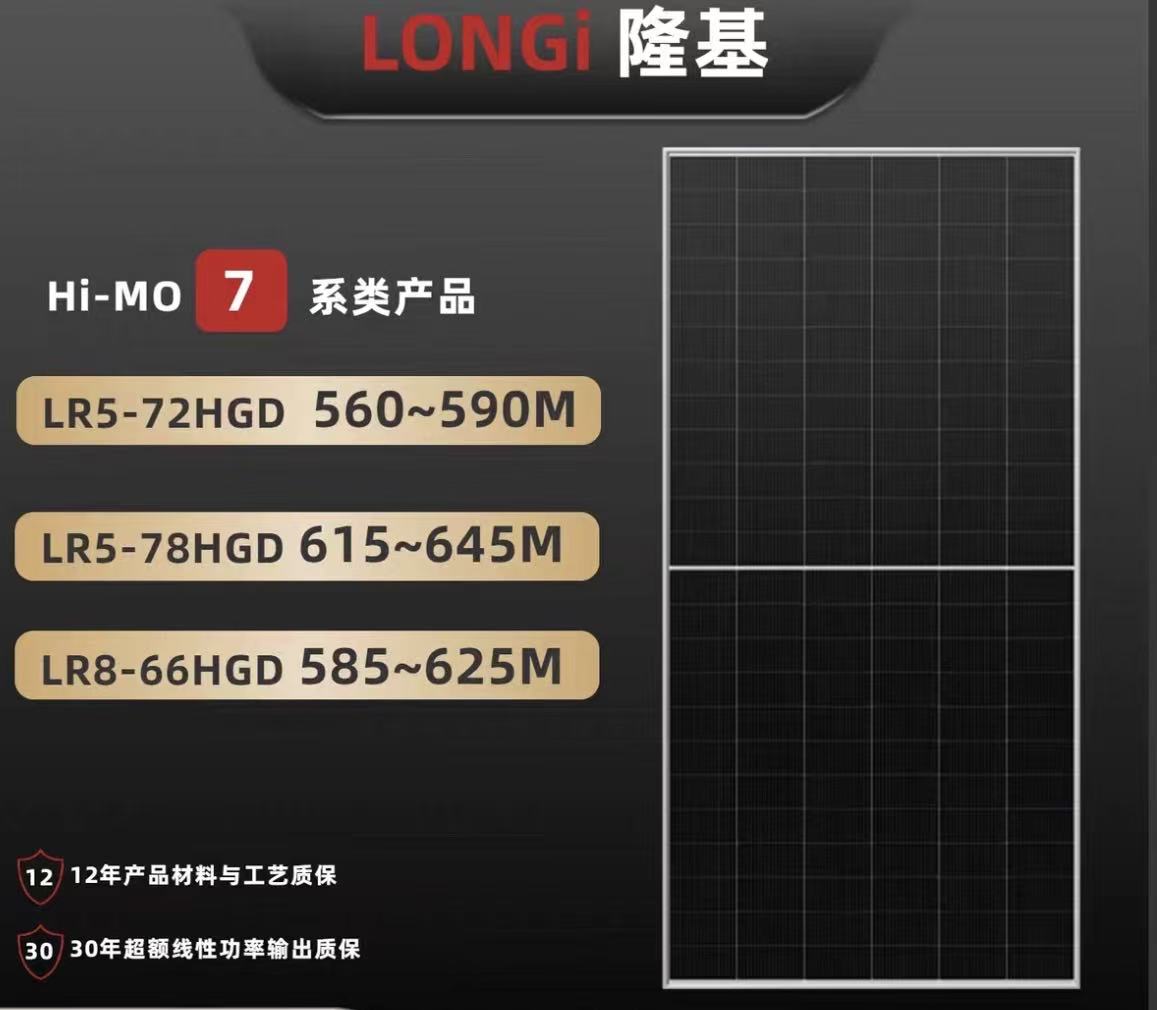
- LONGI
- China
- 7days
- high
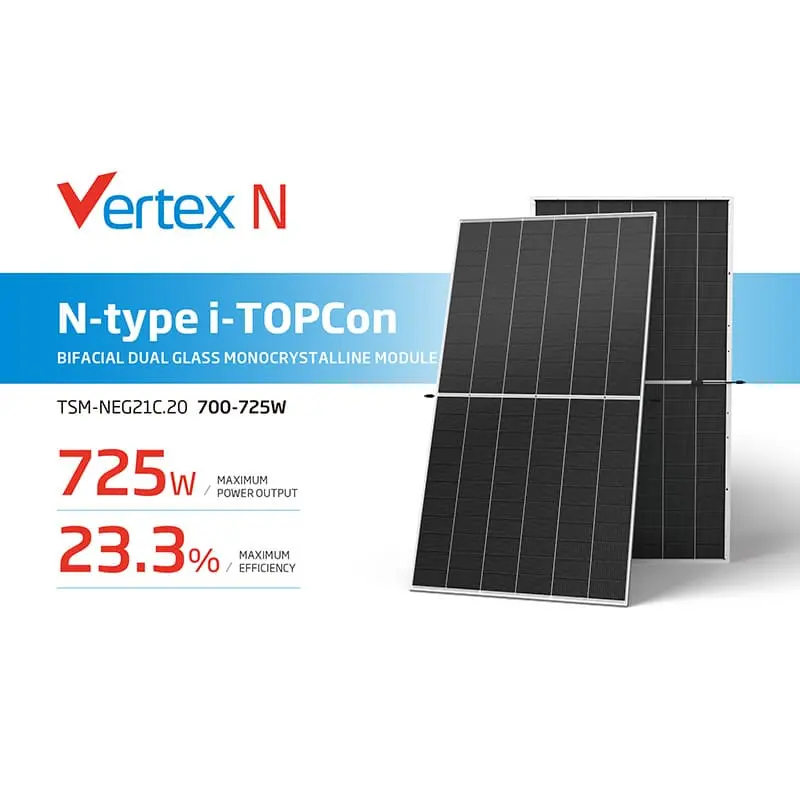
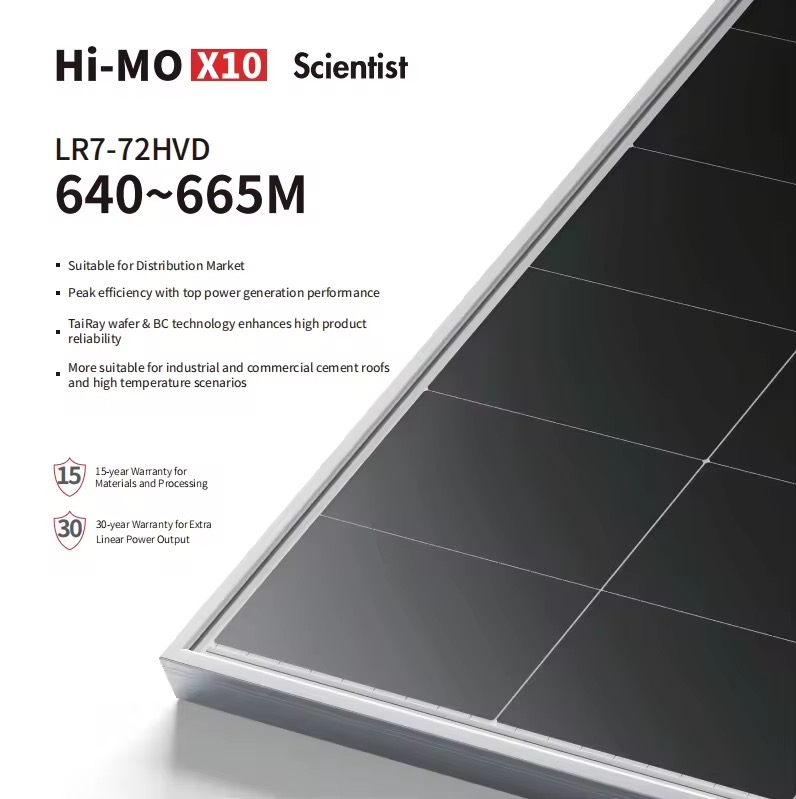
The LONGi Hi-MO X7 655W and 656W modules are designed to meet the increasing demand for ultra-high power output in modern photovoltaic systems. Built on advanced N-type cell technology, these modules deliver superior efficiency, stable performance, and long-term reliability for utility-scale and commercial solar projects.
With power classes reaching up to 656W, the Hi-MO X7 significantly reduces the number of modules required per installation. This directly lowers balance-of-system (BOS) costs, including mounting structures, cabling, and labor, making it an ideal solution for large-scale solar plants where cost optimization and performance efficiency are critical.
Parameter Specification
------------------------------------------------------------
Model LONGi Hi-MO X7
Rated Power (Pmax) 655W / 656W
Module Efficiency Up to 22.5%
Cell Type N-Type Monocrystalline
Module Structure Double Glass (Glass-Glass)
Number of Cells 132 / 144 Cells (depending on version)
Maximum System Voltage 1500V DC
Operating Temperature -40°C to +85°C
Temperature Coefficient (Pmax) -0.29%/°C
Open Circuit Voltage (Voc) ~ 50V – 52V
Short Circuit Current (Isc) ~ 16A – 17A
Maximum Power Voltage (Vmp) ~ 42V – 44V
Maximum Power Current (Imp) ~ 15A – 16A
Front Glass 2.0 mm Tempered Glass
Rear Glass 2.0 mm Tempered Glass
Frame Anodized Aluminum Alloy
Junction Box IP68 Rated
Mechanical Load (Front) 5400 Pa
Mechanical Load (Rear) 2400 Pa
Connector MC4 Compatible
Cable Length 300 mm / Customized
First Year Degradation ≤ 1%
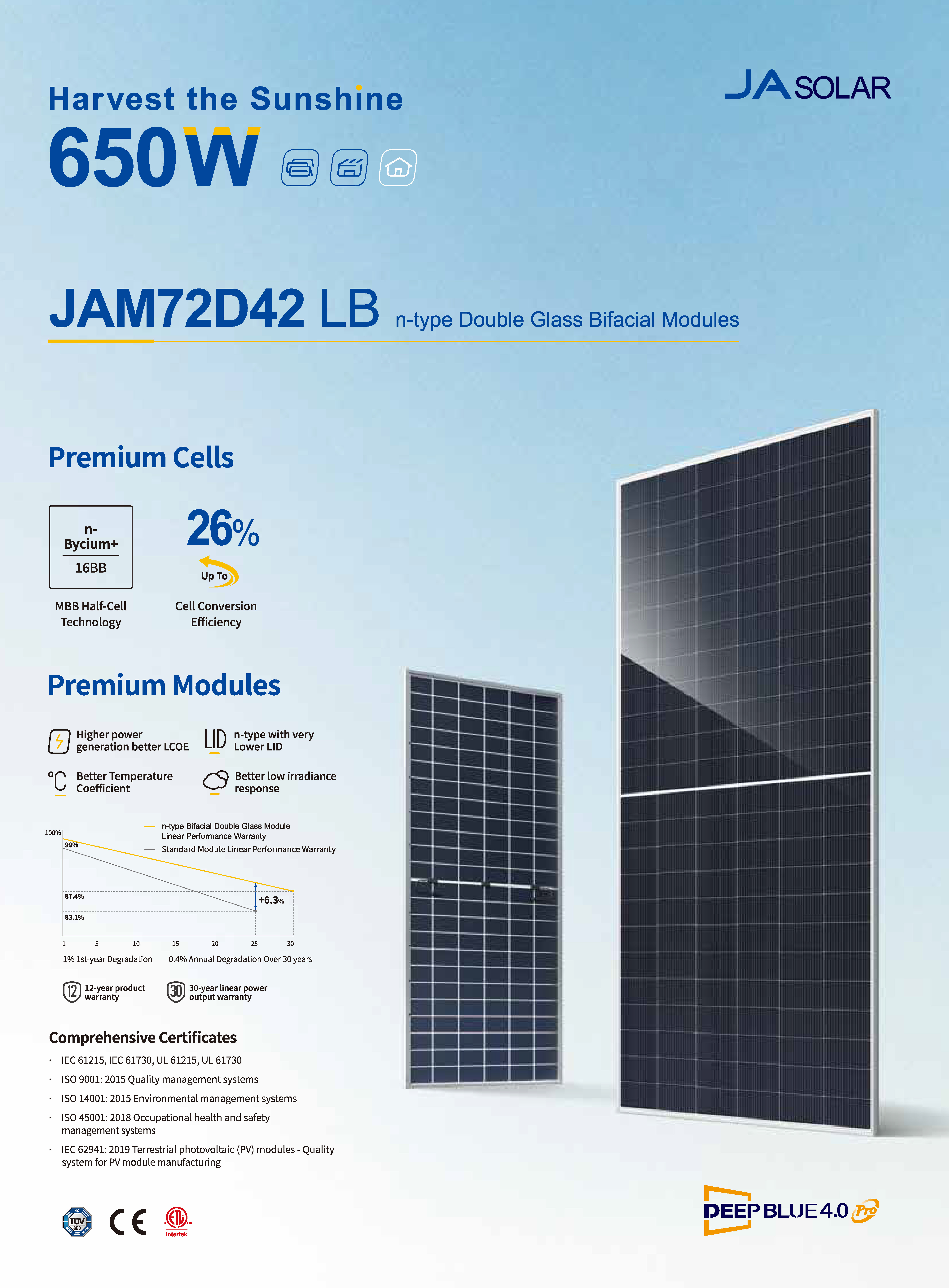
Annual Degradation ≤ 0.4%
Application Utility-scale / Commercial Solar Projects .
Specifications may vary slightly depending on production batch and region.
For official datasheet, please contact our sales team.
Custom configurations are available upon request.
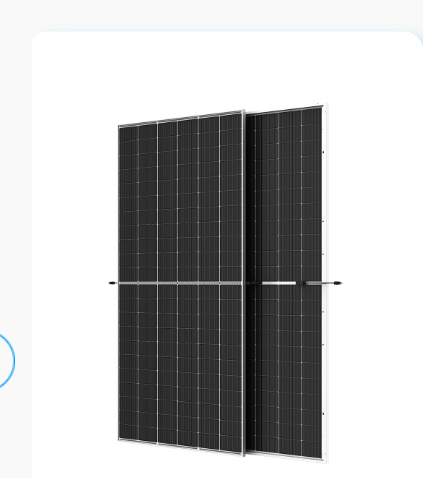
components from environmental stress. This design provides excellent resistance to moisture, dust, and corrosion, ensuring stable operation even in harsh climates such as desert regions or coastal environments. The double-glass configuration also improves fire resistance and mechanical strength, supporting higher load capacity under extreme weather conditions.
In terms of performance, the Hi-MO X7 655W / 656W modules offer excellent low-irradiance behavior, maintaining reliable energy output during early morning, late afternoon, and cloudy conditions. The low temperature coefficient further reduces power loss in high-temperature environments, improving overall energy yield throughout the year.
Another key advantage of N-type technology is its lower degradation rate compared to conventional P-type modules. The Hi-MO X7 ensures minimal performance loss over time, with high energy generation stability across its entire lifecycle. This makes it a strong choice for investors and developers seeking long-term returns and reduced operational risks.
The modules are optimized for high-voltage systems up to 1500V DC, allowing for longer string configurations and more efficient system design. This reduces electrical losses and simplifies installation, particularly in utility-scale applications where system efficiency and layout optimization are essential.
Manufactured under strict quality standards, the LONGi Hi-MO X7 series is built to perform reliably in global markets. Its combination of high power output, advanced cell technology, and robust structural design positions it as a competitive solution for next-generation solar projects.
The double-glass structure provides enhanced durability, with a typical glass thickness of 2.0mm + 2.0mm, and supports high mechanical loads (e.g., 5400Pa front load / 2400Pa rear load). The module is designed with a robust anodized aluminum frame and high-transmission tempered glass for optimal light capture.
Electrical characteristics include excellent low-irradiance performance and reduced degradation rates, with first-year degradation typically below 1%, and annual degradation around 0.4% thereafter. The modules are also designed to operate efficiently in system voltages up to 1500V DC, ensuring compatibility with modern large-scale PV systems.