Why Solar Panels Are Becoming a Must-Have for Homes in Singapore
Introduction: A Brighter Future for Singaporean Homes
Over the past decade, solar energy has evolved from a futuristic concept into a practical, cost-effective necessity for many households in Singapore. Blessed with abundant sunshine year-round and driven by a national commitment to sustainability, harnessing the sun is no longer just a trend—it is a strategic investment.
As a leading global pipeline system solution provider, Xinjie has witnessed this shift firsthand. Homeowners are increasingly seeking energy independence, substantial cost savings, and a reduced environmental footprint. This article explores why solar technology, particularly advanced n type solar panels, is becoming an essential feature for modern Singaporean residences.
1. Singapore’s Growing Focus on Renewable Energy
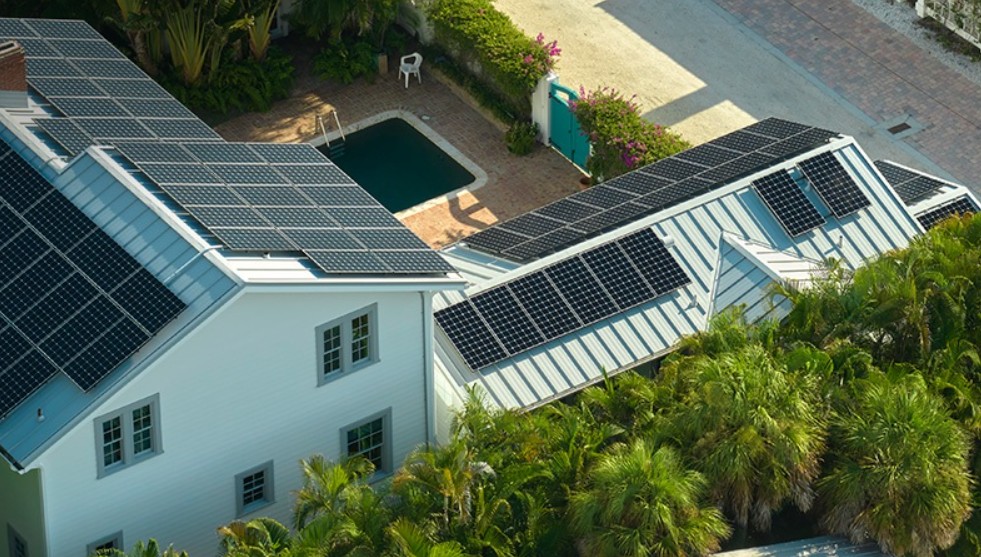
Singapore is a resource-scarce nation that imports the vast majority of its energy. To mitigate this vulnerability and combat climate change, the government has placed renewable energy at the core of its long-term strategy. The Singapore Green Plan 2030 aims to quadruple solar energy deployment by 2025.
This initiative isn't limited to commercial skyscrapers; it extends to residential rooftops, HDB blocks, and schools. For homeowners, this national direction offers confidence. Adopting solar power isn't a solitary endeavor but part of a robust, future-ready movement towards a sustainable, energy-secure Singapore.
2. The Financial Advantage: Long-Term Energy Savings
The most compelling argument for going solar remains the bottom line. With electricity tariffs fluctuating due to global energy market volatility, households are looking for stability. Generating your own electricity significantly offsets reliance on the grid.
Under the Enhanced Central Intermediary Scheme (ECIS), homeowners can even export excess energy back to the grid, earning credits to offset future bills. Over time, high-efficiency systems, such as those utilizing what is n type solar panel technology, can offer a Return on Investment (ROI) within 5–7 years, while hedging against rising utility costs.
3. Government Support and Incentives
While direct cash subsidies for private homeowners are limited, the ecosystem is designed to encourage adoption. The SolarNova programme has normalized solar installations across public housing, driving down market costs through economies of scale. Furthermore, "Solar Leasing" models allow households to install panels with zero upfront capital.
In these arrangements, a provider installs and maintains the system, and the homeowner simply pays for the clean power at a rate lower than the standard grid tariff. Additionally, streamlined permit processes and faster grid connection approvals make the transition seamless.
4. The Environmental Benefits
Installing a solar system is one of the most impactful actions a household can take to reduce its carbon footprint. A standard residential setup can eliminate several tons of carbon emissions annually—equivalent to planting hundreds of trees over the system's lifespan.
By choosing clean energy, homeowners actively contribute to cleaner air and a cooler city, mitigating the urban heat island effect. It is a tangible contribution to the legacy we leave for future generations.
5. Technological Advancements and Efficiency Gains
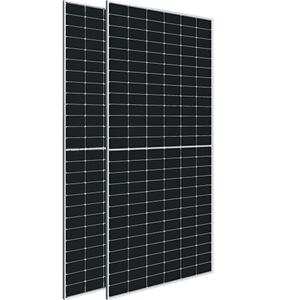
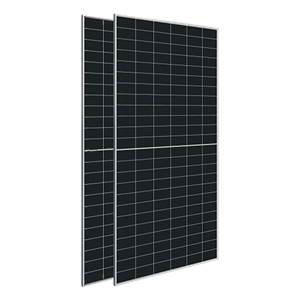
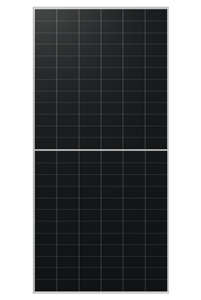
One major driver of adoption is the leap in technology. Modern photovoltaic (PV) modules are vastly superior to their predecessors. At Xinjie, we specialize in cutting-edge solutions, including solar panel 585w factory direct models that maximize power density.
Specifically, the industry is shifting towards n type solar panels. Unlike traditional P-type panels, N-type cells are doped with phosphorus, making them virtually immune to light-induced degradation (LID). This means they maintain higher efficiency over a longer lifespan, performing exceptionally well even in Singapore's hot climate.
6. Rising Public Awareness and Green Mindset
The Singaporean consumer is becoming increasingly eco-conscious. As discussions on climate change intensify, families are looking for practical ways to participate in the solution. Solar panels serve as a visible badge of sustainability, signaling a commitment to green living.
This cultural shift is creating a ripple effect. As more schools and community centers showcase solar installations, residential adoption accelerates, normalizing renewable energy as a standard household feature.
7. Energy Independence and Security
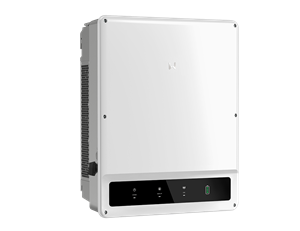
Energy security is a form of freedom. By generating your own power, you become less susceptible to external supply disruptions. For landed properties, this self-sufficiency can be enhanced with battery storage systems, allowing households to store excess solar energy generated during the day for use at night.
This setup ensures that critical appliances keep running even during localized grid outages, providing peace of mind in an uncertain world.
8. Enhanced Property Value and Market Appeal
Real estate trends indicate that modern buyers, particularly younger demographics, prioritize energy efficiency. A home equipped with a high-performance solar system commands a premium. It represents lower future operating costs and a ready-to-move-in green lifestyle.
Investing in solar isn't just an expense; it is a capital improvement that enhances the asset value of your property, making it more attractive in a competitive market.
9. Common Concerns About Solar Panels in Singapore
Despite the benefits, misconceptions persist. Let’s address a few:
"What if it's cloudy?" Singapore’s tropical climate provides ample diffuse light. High-quality systems generate energy even on overcast days.
"Is maintenance difficult?" Modern systems are incredibly durable with no moving parts. Periodic cleaning and inspections are usually all that's required.
"What if I move?" Solar panels are an asset that increases resale value. Alternatively, some systems can be relocated.
10. The Future Outlook: Solar as a Lifestyle Norm
As solar panel manufacturers in china continue to innovate, costs will drop further while efficiency rises. Technologies like building-integrated photovoltaics (BIPV) and transparent solar windows are on the horizon.
The day is coming when generating your own power will be as standard as having internet connectivity. Early adopters are simply getting a head start on the inevitable future of housing.
Conclusion: Harnessing the Power of the Sun for a Sustainable Future
Solar panels have graduated from a luxury item to a smart, essential investment for Singaporean homeowners. They offer a unique trifecta of financial savings, energy security, and environmental stewardship. Whether you reside in a landed home or a penthouse, harnessing solar energy is a powerful step towards a greener, more resilient lifestyle.
Ready to upgrade your home? Visit Xinjie to explore our range of advanced n type solar panels and tailored energy solutions designed for the Singaporean climate.