Solar Panels For Home: A Beginners Guide to Residential Solar Panels
Solar Panels For Home: A Beginners Guide to Residential Solar Panels
Switching to renewable energy is one of the most impactful decisions a homeowner can make. But for beginners, the world of solar panels and home energy systems can feel like a maze of technical jargon and conflicting price tags. From understanding how photovoltaic cells work to figuring out if your roof is even suitable, there is a lot to digest.
This guide is designed to cut through the noise. Whether you are looking to slash your utility bills, increase your property value, or simply reduce your carbon footprint, we will walk you through everything you need to know about installing solar power panels for home use.
Why you can trust Xinjie
As a leading global manufacturer of high-efficiency solar modules, Xinjie doesn't just sell panels; we engineer the technology behind them. With decades of experience in the photovoltaic industry, we provide data-driven insights into solar energy for home owners, ensuring you have the reliable information needed to make a smart investment.
Home solar panel basics
Before you sign any contracts, it is crucial to understand the fundamentals. Solar energy isn't magic; it's a mature technology that has powered satellites and calculators for decades, and now it powers millions of households.
Key solar terms to know
Photovoltaic (PV): The technology that converts sunlight directly into electricity.
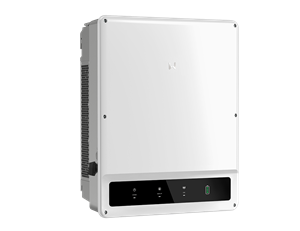
Inverter: The device that changes the DC electricity from panels into the AC electricity your home uses.
Kilowatt (kW): A measure of power capacity. A typical home system is around 6-10 kW.
Kilowatt-hour (kWh): A measure of energy usage over time, which you see on your electric bill.
How do home solar panels work?
At its core, a solar panels system works by capturing sunlight with photovoltaic cells, creating direct current (DC) electricity. This energy flows to an inverter, which converts it to alternating current (AC)—the standard electricity that powers your lights, fridge, and devices.
Grid-tied solar system
Most residential setups are "grid-tied." This means your home is still connected to the local utility grid. When your panels produce more power than you need during the day, that excess solar energy for household usage is sent back to the grid, often earning you credits. At night, when the sun is down, you pull power from the grid seamlessly.
What equipment do you need for a solar system?
A complete system is more than just the glass rectangles on your roof. You need racking (mounts), wiring, an inverter (string or microinverters), and sometimes a monitoring system.
What are the different types of solar panels?
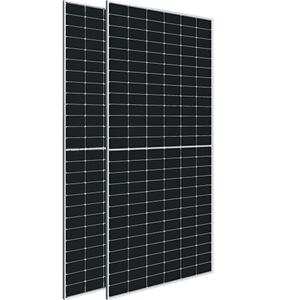
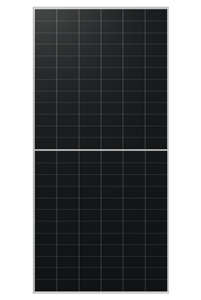
Generally, you will encounter Monocrystalline and Polycrystalline panels. Monocrystalline panels (often black) are more efficient and space-saving, making them the standard for modern homes. Polycrystalline panels (often blue) are cheaper but less efficient.
What are the top brands of solar panels?
Quality varies wildly. Top-tier manufacturers focus on efficiency and durability. For instance, high-output modules like the trina solar 720w series are pushing the boundaries of what residential and commercial systems can achieve, offering immense power in a smaller footprint.
What size solar system do you need?
Size depends on your energy consumption. A small home might only need a 5kW system, while a large family home with an EV charger might need 12kW or more. Reviewing your past 12 months of electricity bills is the best way to size your system accurately.
What are the pros and cons of solar panels?
Pros: Lower bills, tax incentives, increased home value, and energy independence.
Cons: High upfront cost, aesthetic changes to the roof, and weather dependency (production drops on cloudy days).
Costs, savings, and financing for solar
The financial aspect is usually the biggest hurdle for homeowners considering solar for home applications.
What do home solar panels cost?
In 2026, the average cost for a residential system generally falls between $15,000 and $25,000 before incentives. The price per watt is the industry standard for comparison.
How can I find cheap solar panels?
Cheap doesn't always mean good value. While you can find budget panels, they often degrade faster. It is better to look for value—high efficiency at a competitive price. Sourcing from a reputable ja 700w distributor ensures you get Tier-1 quality that pays off over the 25-year lifespan of the system.
How much do solar panels save?
Savings vary by location. In states with high electricity rates like California or Massachusetts, a solar system can save a homeowner $30,000 to $50,000 over 20 years. In areas with cheap coal power, the savings are more modest but still positive.
Are solar panels worth it?
For most homeowners, yes. Even if you finance the system, the monthly loan payment is often lower than your old electric bill, meaning you save money from day one.
Are there incentives for installing solar panels?
Absolutely. The Federal Solar Tax Credit (ITC) allows you to deduct 30% of the system cost from your federal taxes. This is the biggest driver of solar adoption in the US.
Solar incentives available in each state
Beyond the federal credit, many states offer cash rebates, SREC (Solar Renewable Energy Credit) markets, and property tax exemptions. Check local databases for specifics in your zip code.
How to pay for solar panels
You have three main options:
Cash: Highest long-term savings.
Solar Loan: $0 down, swap your utility bill for a loan payment. You own the system.
Lease/PPA: You rent the system. Lower savings, and you don't own the equipment.
Do solar panels increase your home value?
Yes. Studies consistently show that homes with owned solar systems sell for a premium—often around 4-7% more than comparable non-solar homes. Buyers appreciate the promise of low utility costs.
Is my home good for solar?
Not every house is a perfect candidate. Here is a checklist to see if your property qualifies.
1. You have high electricity bills
The higher your current bill, the faster your payback period. If your bill is $50/month, solar might not make financial sense. If it's $200+, it's a no-brainer.
2. Your utility company is solar-friendly
Does your utility offer "Net Metering"? This policy allows you to sell excess power back to the grid at retail rates. It is crucial for maximizing savings.
3. Your roof is good for solar
You need a roof in good condition (no rot) that receives direct sunlight. South-facing roofs are ideal, but East and West can also work efficiently. Heavy shading from trees is the enemy of solar production.
4. You qualify for solar incentives
To claim the federal tax credit, you must have taxable income. Ensure you can utilize the financial perks available to you.
How to go solar
Ready to make the switch? Here is the roadmap.
1. Find trusted, local installers
Don't just go with the door-to-door sales pitch. Look for certified local installers with good reviews. Ask about the equipment they use—do they offer high-quality brands like Xinjie?
2. Review quotes
Get at least three quotes. Compare the "Price Per Watt," the equipment quality (panels and inverters), and the warranty terms. The cheapest quote isn't always the best if the hardware is inferior.
3. Installation process
Once you sign, the installer handles the permits. The actual installation usually takes 1-3 days. After that, the utility company must inspect the system before you can flip the switch.
Solar panels for home FAQ
How long do solar panels last?
Standard warranties are 25 years, but high-quality panels can produce power for 30 to 40 years. They don't stop working suddenly; they just slowly lose a tiny bit of efficiency each year.
Do I need a solar battery?
Not necessarily. If you have full Net Metering, the grid acts as your free battery. However, if you want backup power during blackouts, a battery is essential.
Do solar panels require maintenance?
Very little. They have no moving parts. Occasional cleaning (hosing off dust or leaves) is usually all that is needed to keep them operating at peak performance.
Do solar panels work in winter?
Yes. Panels run on light, not heat. In fact, electronics prefer cooler temperatures. While production drops due to shorter days and potential snow cover, they still generate power year-round.
Will my solar panels power my home at night?
No, panels only work when the sun is out. At night, you will pull power from the grid (unless you have a battery storage system installed).
Ready to Power Your Future?
Switching to solar is a smart investment for your wallet and the planet. Explore Xinjie's range of high-efficiency modules today and take control of your energy future.