Bifacial vs. Monofacial Solar PanelsJA Solar Opens a New Era of Photovoltaic Applications
Bifacial vs. Monofacial Solar Panels
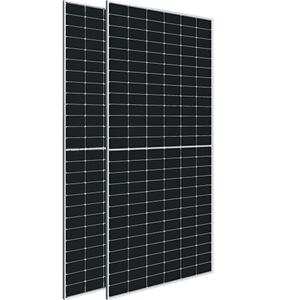
Bifacial panels can generate up to 9% more electricity than monofacial panels, according to recent research by the National Renewable Energy Laboratory (NREL), a division of the U.S. Department of Energy.2 As is the case with higher efficiency monofacial panels, this means that fewer panels need to be installed—as well as the associated hardware like panel mounts, inverters, and cables—reducing both hardware costs and labor costs.
Solar PV technology is less efficient at higher temperatures, which gives bifacial panels another advantage. Because they are made of glass without the heat-absorbing aluminum backing of monofacial panels, they have lower working temperatures, which adds to their efficiency.
Bifacial panels don't need to be grounded, since they lack metal frames that might potentially conduct electricity. And since their construction makes them more durable, they often come with longer warranties—30 rather than 25 years for monofacial panels.
Because bifacial panels rely more on diffuse solar radiation, they are more efficient than monofacial panels in cloudy climates, or anywhere there is less direct sunlight and a greater percentage indirect, diffuse insolation. For the same reason, bifacial panels are more efficient for longer periods of the day, when there is still diffuse sunlight but none directly shining on the panels.3