10kWh Solar Battery: Lifespan & Benefits
10kWh Solar Batteries: Lifespan, Benefits, and Efficiency Explained
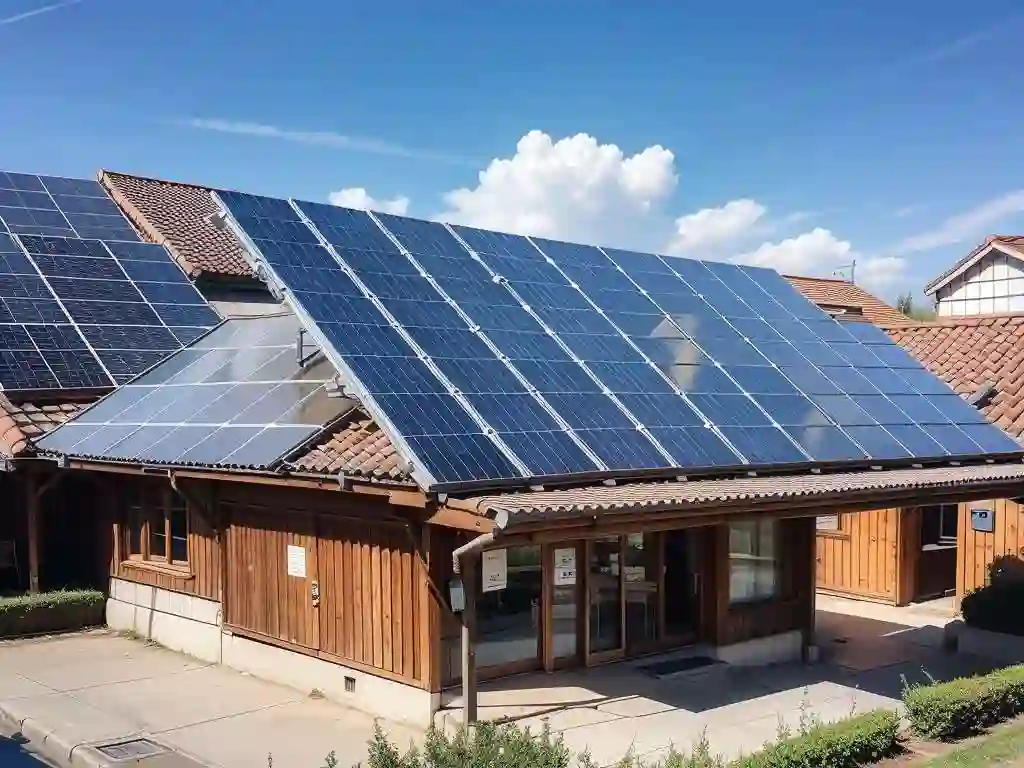
As solar adoption accelerates worldwide in 2026, the 10kwh solar battery has emerged as one of the most practical storage solutions for homes and small businesses. It's large enough to cover meaningful overnight energy use, compact enough to fit most residential installations, and cost-effective enough to deliver a genuine return on investment within a decade.
But how long does one actually last? And what separates a battery that runs reliably for 15 years from one that degrades in five? This guide covers everything you need to know — from chemistry and cycle life to real-world performance and maintenance best practices.
What Is a 10kWh Solar Battery?
A 10 kilowatt hour battery stores 10 kWh of electrical energy — enough to run a 1,000W appliance for ten hours, or a 2,000W air conditioner for five. In practical household terms, it covers lighting, a refrigerator, a TV, and basic appliances through a typical overnight period without any grid input.
| Appliance | Power Rating | Hours from 10kWh |
|---|---|---|
| LED Lights (×10) | 100W | ~100 hrs |
| Refrigerator | 150–400W | 25–67 hrs |
| Air Conditioner (1.5 ton) | 1,500W | ~6.7 hrs |
| Microwave | 1,000W | 10 hrs |
| Desktop Computer | 200W | 50 hrs |
For small businesses, a 10 kwh battery also supports load management during peak tariff periods — reducing operating costs without sacrificing reliability.
10kWh vs. 10kW: Understanding the Difference
10kWh measures energy storage capacity — how much total electricity the battery holds. 10kW measures power output — how fast it can deliver energy at any given moment. A 10kWh battery can run a 1kW appliance for 10 hours. A 10kW output rating means the battery can power multiple high-draw devices simultaneously, as long as their combined load stays under 10kW. Both specs matter; just make sure you're comparing the right one for your use case.
Factors That Influence How Long a Solar Battery Lasts
1. Battery Chemistry
Most quality 10kwh solar battery systems use either lithium-ion or LiFePO4 (Lithium Iron Phosphate) chemistry. Lithium-ion delivers high energy density and typically lasts 10–15 years. LiFePO4 offers better thermal stability and longer cycle life — 4,000 to 6,000 cycles — making it the preferred choice for solar storage in 2026.
2. Daily Usage Cycles
Each complete charge-discharge cycle causes a small amount of capacity degradation. Most residential users run one full cycle per day — charging throughout daylight hours, discharging overnight. At that rate, a quality LiFePO4 system from a reputable manufacturer like Xinjie will deliver reliable performance for a decade or more.
3. Environmental Conditions
Heat accelerates internal chemical reactions and wears down capacity faster. Cold temporarily reduces discharge efficiency. The ideal operating range for most 10kWh systems is 10°C–25°C (50°F–77°F). Modern systems include thermal management features that mitigate temperature extremes, but proper installation location still makes a meaningful difference.
4. Depth of Discharge (DoD)
DoD refers to how much of the battery's total capacity is used per cycle. Consistently discharging to 80% or less extends cycle life significantly. Most modern 10kWh systems include a Battery Management System (BMS) that prevents over-discharge automatically — protecting the cells without requiring manual intervention.
Expected Lifespan of a 10kWh Battery
Under normal residential conditions — one cycle per day, moderate temperatures, and 80% DoD — a quality 10kWh lithium battery lasts 10–15 years. Most manufacturers back this with a 10-year warranty covering capacity retention above a defined threshold (typically 70–80% of original capacity).
Commercial applications with higher daily cycle demand generally see 8–10 years of service. Even at end of warranty, these batteries often retain 70–80% capacity and continue to provide useful backup — they simply store slightly less than when new.
How Long Does a Solar Battery Last in Real Life?
Real-world duration depends entirely on the load. A 720W draw — ten LED lights, a refrigerator, and a fan — will run for approximately 13–14 hours on a full 10kWh charge. A heavier 3kWh daily consumption covers roughly 3–4 hours of backup. For high-demand commercial settings, pairing multiple units or integrating with a larger solar array is the practical solution.
Want to model your specific scenario precisely? Use a how long will my solar battery last calculator to input your actual load profile and get an accurate runtime estimate before committing to a system size.
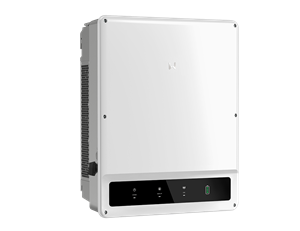
Modern 10kWh batteries also include load prioritisation logic — they automatically shed non-essential loads during low-charge periods to protect the remaining capacity for critical systems.
Maintenance and Optimisation Tips
Install in a temperature-controlled space — Avoid direct sunlight, poor ventilation, or unheated outdoor enclosures. Keeping the battery within its optimal temperature range is the single most effective way to extend lifespan.
Avoid deep discharges — Keep the battery above 20% capacity wherever possible. The BMS in most modern systems handles this automatically, but check your settings.
Run regular system checks — Monitor performance quarterly. Catch abnormal charging patterns, voltage drift, or capacity drops early before they become costly problems.
Keep firmware updated — Manufacturers regularly release updates that improve energy management algorithms and system monitoring. Staying current ensures you're getting the most from your hardware.
Pairing Solar Panels with a 10kWh Battery
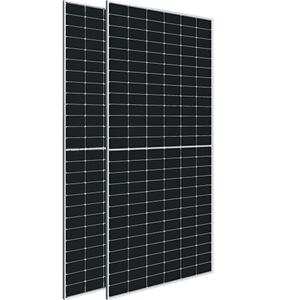
A 10kWh battery delivers its best results when paired with a correctly sized solar array. Panels that generate more energy than the home consumes during daylight top up the battery fully — so it enters each evening at maximum capacity. Pairing with a 10kw solar system typically provides enough daily generation to fully recharge a 10kWh battery in 3–5 peak sun hours, depending on location and season.
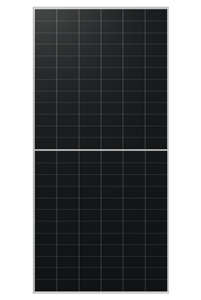
High-efficiency panels accelerate that recharge window. Options like Trina solar panels 695W wholesale N-type bifacial modules generate more energy per square metre — which means faster battery replenishment and fewer wasted sunlight hours. The combination reduces unnecessary cycling, extends battery life, and lowers long-term electricity costs.
Cost-Benefit Analysis
Residential 10kWh battery systems typically cost between $5,000–$15,000 installed, depending on brand, chemistry, and installation complexity. The payback period generally falls between 7–10 years, driven by local electricity rates, solar incentives, and daily usage patterns.
Beyond utility savings, there's real value in energy security — particularly in regions prone to outages. Businesses that rely on continuous operations recover payback faster through avoided downtime. Over the battery's full 10–15 year life, the cumulative savings comfortably outpace the initial investment for most users.
Trends Shaping the Next Generation of 10kWh Storage
Several developments are making 10kWh systems more capable and longer-lasting in 2026:
Advanced BMS technology — Intelligent charge and discharge management prevents overcharge, overheating, and deep discharge, protecting cell integrity over thousands of cycles.
Higher energy density — Manufacturers are packing more storage into smaller, lighter units. This makes installation easier and expands placement options in residential settings.
Smart grid integration — Modern systems can communicate with the grid to store energy when prices are low and discharge when demand peaks — maximising savings automatically.
Many of the top Chinese solar panel manufacturers are now pairing advanced panel technology with compatible storage systems — making it easier to build a fully integrated, high-performance solar-plus-storage setup from a single supplier.
Final Thoughts
A quality 10kwh solar battery is a sound long-term investment for homes and small businesses in 2026. With a realistic lifespan of 10–15 years, manageable maintenance requirements, and a payback window of 7–10 years, the economics make sense — especially as electricity costs continue to rise globally.
The key is choosing the right chemistry (LiFePO4 for most applications), pairing it with a properly sized solar array, and following basic maintenance practices. Do those three things, and your battery will likely outlast its warranty while continuing to provide meaningful backup and bill savings throughout its life.
At Xinjie, we design and supply solar panels and LiFePO4 battery systems built for 10+ years of reliable service across residential, commercial, and industrial applications. Our team helps customers match the right panel array to the right storage capacity — so every system performs as expected from day one.
Frequently Asked Questions
How long does a 10kWh solar battery last?
Under typical residential use (one cycle per day, 80% DoD, moderate temperatures), a quality LiFePO4 10kWh battery lasts 10–15 years. Lithium-ion variants generally deliver 10–12 years. Commercial installations with heavier cycling typically see 8–10 years.
What is the difference between a 10kWh battery and a 10kW battery?
A 10kWh battery describes energy storage capacity — how much total electricity it holds. A 10kW rating describes power output — how fast it can deliver energy. You need both specs when sizing a system: capacity for runtime, output for peak load handling.
What factors affect 10kWh solar battery lifespan?
Battery chemistry, daily cycle count, operating temperature, and depth of discharge are the four primary factors. LiFePO4 chemistry, moderate temperatures, and keeping DoD at or below 80% consistently deliver the longest service life.
How long will a 10kWh battery power a 720W load?
Time = 10,000Wh ÷ 720W = approximately 13.9 hours under ideal conditions. Real-world runtime may vary slightly depending on temperature, inverter efficiency, and battery state of health.
What size solar system do I need to charge a 10kWh battery?
A 10kW solar system will typically recharge a 10kWh battery within 3–5 peak sun hours, assuming ~80% system efficiency. In lower-sunlight locations or during winter months, a slightly larger array helps ensure full daily recharge.