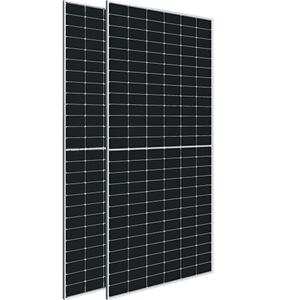
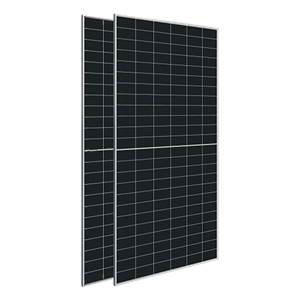
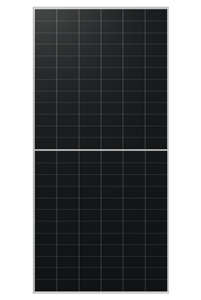
LONGi Hi-MO 7 Bifacial Modules Set a New Technical Benchmark for Utility-Scale Solar Projects
Bifacial Architecture Enhances Real-World Energy Yield
Hi-MO 7 modules utilize a bifacial cell design, enabling energy generation from both the front and rear sides of the panel. Rear-side generation captures reflected and scattered light from the ground, contributing additional energy without increasing system size.
In real-world installations, bifacial gain depends on environmental conditions such as:
Ground reflectivity (albedo)
Module height
Tracker configuration
Site layout
Under optimized conditions, bifacial modules can deliver meaningful energy yield improvements, enhancing annual production and improving project financial performance. This makes Hi-MO 7 particularly suitable for installations using single-axis tracking systems, which maximize rear-side exposure throughout the day.
Double-Glass Design for Long-Term Stability
Durability has become a decisive factor in module selection, especially for projects with lifetimes exceeding 25–30 years. Hi-MO 7 addresses this requirement through a double-glass structure, replacing traditional polymer back sheets with reinforced glass.
This design offers multiple advantages:
Improved resistance to moisture ingress
Enhanced protection against UV radiation
Greater mechanical load tolerance (wind, snow, thermal stress)
Reduced risk of backsheet aging and cracking
As a result, Hi-MO 7 modules maintain stable electrical performance even in challenging environments such as deserts, coastal regions, and high-humidity zones.
Optimized for Modern System Architectures
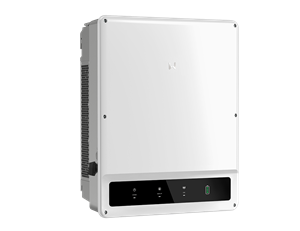
Hi-MO 7 is engineered to integrate seamlessly with high-voltage PV systems and modern inverter technologies. Its electrical characteristics support efficient string configurations, helping reduce resistive losses and improve overall system efficiency.
In addition, the module’s form factor and mechanical design ensure compatibility with:
Utility-scale tracking systems
Standard mounting structures
Automated installation processes
This compatibility simplifies system engineering and supports scalable deployment across diverse project types.
Lower Degradation, Higher Lifetime Value
Beyond initial performance, long-term degradation plays a crucial role in determining a project’s total energy output and financial viability. Hi-MO 7 is designed with enhanced material stability and cell architecture, helping minimize performance loss over time.
Lower degradation rates translate into:
Higher cumulative energy generation
More predictable cash flows
Reduced long-term operational risk
For investors and asset owners, these factors directly impact internal rate of return (IRR) and project bankability.