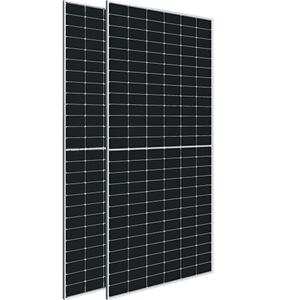
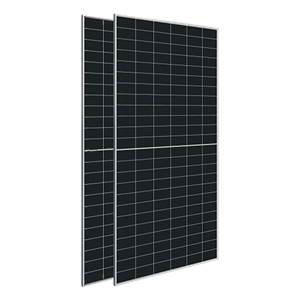
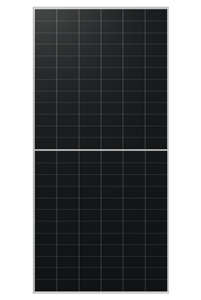
N-Type TOPCon Bifacial Solar Panels Delivering Superior Performance and Durability
N-Type TOPCon Bifacial Panels Ensure Stable Solar Performance Over Decades
In the rapidly growing solar energy market, one of the key considerations for developers, investors, and end-users is the long-term reliability of photovoltaic systems. N-type TOPCon bifacial panels have emerged as a benchmark in this area, offering not only high efficiency but also exceptional durability and minimal power degradation over time.
Unlike conventional P-type solar modules, n-type TOPCon panels utilize a tunnel oxide passivated contact (TOPCon) structure, which significantly reduces electron recombination and enhances the cell’s stability. This technological advancement ensures that the panels maintain high energy output even after years of continuous exposure to sunlight, heat, and environmental stress. By resisting common degradation mechanisms such as light-induced degradation (LID) and potential-induced degradation (PID), these panels provide predictable performance, which is essential for both financial planning and energy yield forecasting.
Bifacial design further contributes to their reliability. The ability to capture sunlight from both the front and rear surfaces increases total energy output while distributing stress more evenly across the panel, reducing the wear on individual cells. This results in long-lasting operational stability, making n-type TOPCon bifacial panels an ideal choice for projects that demand consistent electricity generation over decades.
Studies and field installations have shown that n-type TOPCon bifacial modules typically experience an annual power degradation rate of less than 0.3–0.5%, significantly lower than traditional P-type panels. This means that a solar installation equipped with these panels retains the majority of its initial efficiency over 25 years or more, providing higher total energy yield and maximizing return on investment for developers.
The durability of these panels is not only about energy retention but also about environmental resilience. N-type TOPCon bifacial panels withstand high temperatures, humidity, and dust, making them suitable for deployment in diverse climates and challenging geographic regions. This robustness ensures reliable electricity supply for residential, commercial, and utility-scale solar projects, even under extreme conditions.
From an investment perspective, the long-term stability of n-type TOPCon bifacial panels increases project bankability. Financing institutions and stakeholders value predictable performance, and the proven reliability of these modules reduces the risk associated with solar energy investments. The combination of high efficiency, bifacial energy gain, and minimal degradation over time makes these panels a highly attractive solution for both new installations and system upgrades.
Environmental sustainability is also enhanced through long-term reliability. With reduced degradation, fewer replacements are required over the lifecycle of the solar project, lowering material usage, maintenance costs, and carbon emissions. This aligns with global renewable energy goals and the push toward more sustainable electricity generation.
As solar power continues to play a crucial role in the global energy transition, n-type TOPCon bifacial panels stand out for their remarkable durability and stable performance. By combining advanced TOPCon technology with bifacial design, these panels ensure high energy output, low degradation, and long-lasting reliability, supporting sustainable energy production for decades to come.